Resources
SRL or Lanyard, Comparing Self-Retracting Lifelines With Shock-Absorbing, Twin Leg and Tie-Back Lanyards and More
Slack and free fall, arrest distance, clearance under the anchor, working reach, twin leg and tie-back options, foot-level tie-off and the OSHA limits that govern each SRL or lanyard.
Picking an SRL or lanyard for a tie-off decides how far a worker drops before the fall stops, how much open height the job needs and how freely the crew can move. Nation Wide Ladder helps contractors weigh the two across Werner self-retracting lifelines, single and twin leg shock-absorbing lanyards, tie-back lanyards and foot-level Class 2 units, matching each SRL or lanyard to the anchor and the work area.


- Over 50 years serving contractors
- MA, NH, CT, ME, VT & RI
- Weekly Maine deliveries
How an SRL and a Shock-Absorbing Lanyard Each Stop a Fall
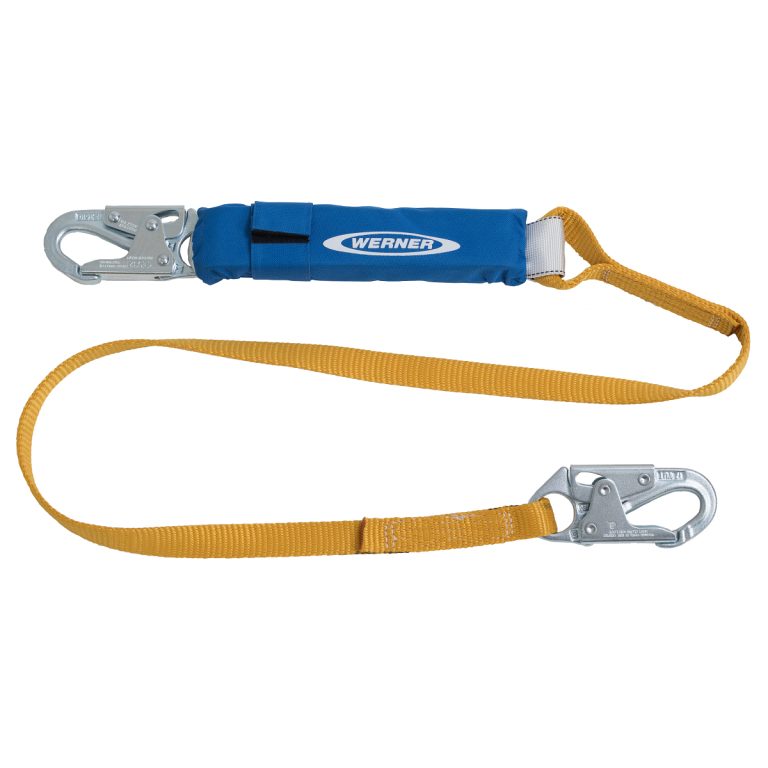
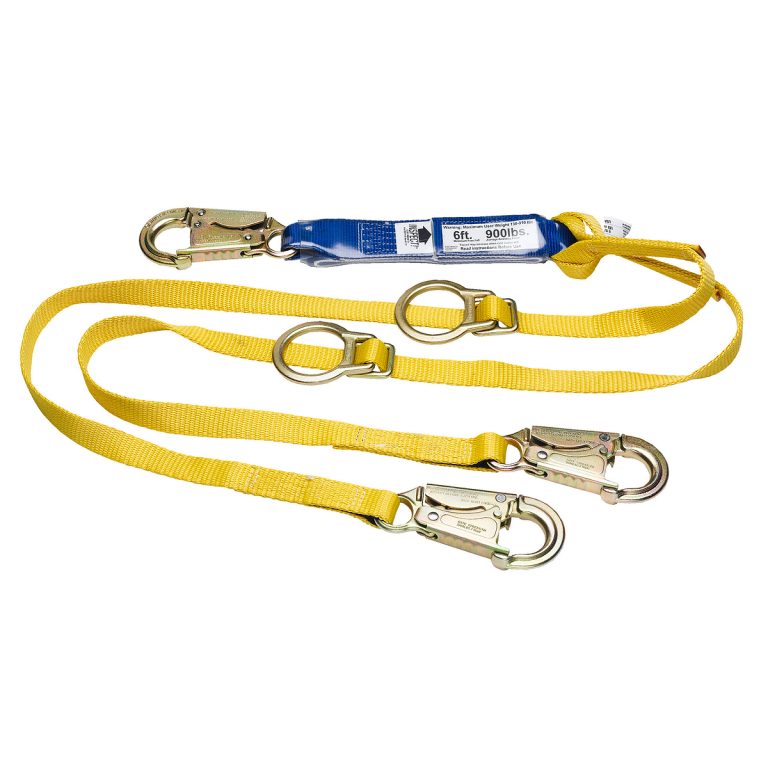
Both devices join a harness to an anchor and both limit the force a falling worker takes, yet an SRL and a lanyard get there in different ways. OSHA describes a self-retracting lifeline as a drum-wound line that pays out and retracts under slight tension as you move, then locks the drum and arrests the fall once one begins. A shock-absorbing lanyard is a fixed length of web or cable with an energy absorber, and on the Werner DeCoil lanyard the DCELL shock pack slows the worker through controlled tearing.
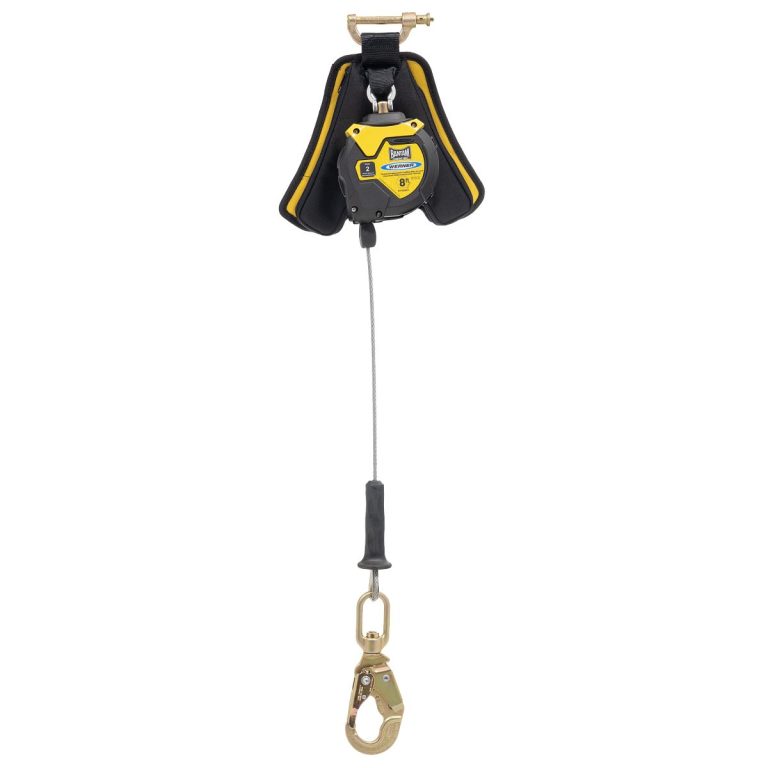
The real difference is slack. An SRL keeps its line snug, so there is little to fall through, and the Werner Bantam R430006 is a Class 1 SRL that holds the maximum arrest distance to 24 inches with an average arrest force of 900 pounds. Lanyards hang at a set length until the pack engages, and Werner tops out its shock-absorbing lanyards at 6 feet, with 3, 4 and 5 foot versions too. Whichever SRL or lanyard you choose, OSHA limits free fall to 6 feet with no contact with a lower level and caps deceleration distance at 3.5 feet.
Our team helps you select between an SRL and a lanyard from the anchor height and working area you describe, so the device suits the drop under the job.
Fall Clearance and Anchor Height With a Lanyard Versus an SRL
Clearance is where the choice usually gets made. Lanyards drop the worker through any slack between the anchor and the D-ring before the shock pack starts to work, so anchoring low lengthens the fall, and OSHA measures free fall at the harness attachment point until the system starts to apply force. An overhead anchor shortens that drop because the slack sits above the worker rather than at the feet, which is why lanyards suit a high tie-off point best.
An SRL changes the picture because there is little slack in the line. Anchored overhead, Werner lists a 24 inch maximum arrest distance on the Bantam and on the 11 foot Max Patrol, while ANSI Z359.14-2021 lets a Class 1 SRL take up to 42 inches. A Class 1 SRL belongs at or above the back D-ring. Tying off at your feet calls for a Class 2 SRL, which Werner marks in yellow and tests at foot level, such as the Werner leading edge SRL units. Class 2 labels print their own arrest distance, which is the figure to plan from.
Bring the site layout to a free consultation at our Windham NH or Worcester MA showroom and we will compare SRL and lanyard clearance against your eave or deck height.
Working Reach, Twin Legs and Tie-Back for Each SRL and Lanyard
Movement is the other half of the decision. Lanyards give a fixed reach, which suits a worker who stays close to one anchor or climbs between tie-off points. Twin leg lanyards let a worker clip the second leg before releasing the first for 100 percent tie-off, and Werner’s DeCoil Stretch models contract from 6 feet to 4 feet to cut tripping, dragging and snagging. Werner allows tie-back, where the line wraps a beam and connects back to itself, only on lanyards designed for it.
An SRL suits wider movement around one anchor, since the line follows the worker out and back. When an SRL runs short, Werner says to move up to a longer SRL and never to clip a lanyard onto it for extra reach. Werner Bantam SRLs can also be combined into twin leg models for 100 percent tie-off, which takes the SRL into work that once called for twin leg lanyards. One rule holds for either, since Werner says lanyards without a shock absorber may not be used for fall arrest.
Send us a list of crew members, anchor types and leg counts and we will quote the mix of SRL and lanyard units that matches how each worker moves.
Inspection and Retirement Rules for an SRL and a Lanyard
OSHA requires personal fall arrest systems to be inspected before each use for wear, damage and other deterioration, with defective parts removed from service, and Werner adds a yearly inspection by a competent person other than the user. The checks differ with the device. An SRL has a housing, a brake and a retracting line, and Werner takes an SRL out of service if it has arrested a fall, its load indicator shows, its snap hook will not work, its webbing or cable is worn or kinked, or it fails to lock or release when tested. Werner does not require annual recertification of an SRL beyond that inspection.
Lanyards are simpler to look over, since the check covers the web, the shock pack and the hooks, and the Werner C311100 DeCoil uses wear indicating polyester webbing to make that easier. Either way, OSHA says an SRL or lanyard that takes an impact load comes out of service until a competent person finds it undamaged, and Werner says equipment that has arrested a fall should not be used again.
Saturday morning hours at both of our locations let a crew lead replace a retired SRL or lanyard without losing a working weekday.
Where an SRL or Lanyard Fits in the Access Plan
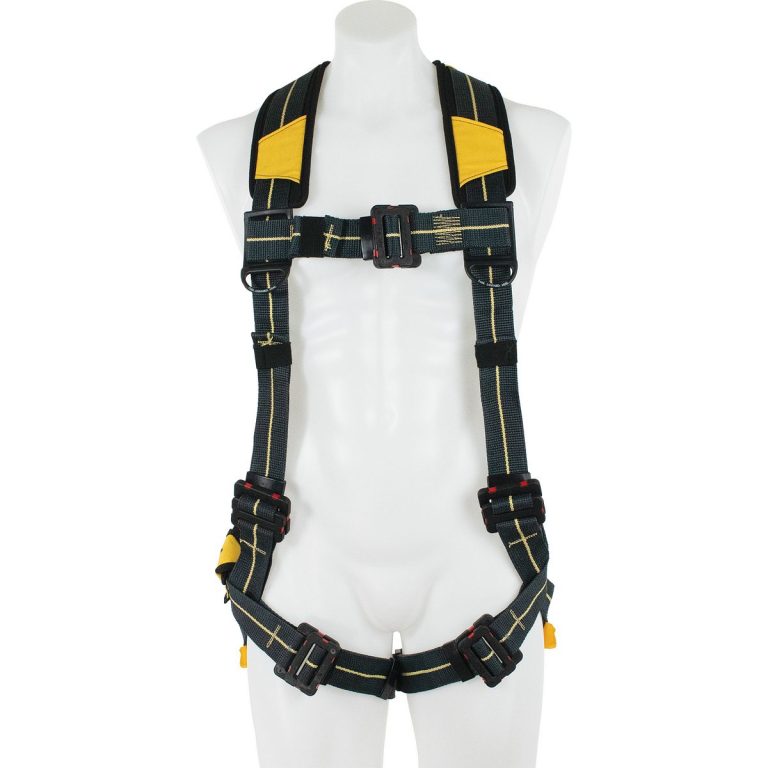
Tie-off gear is one piece of a job that also needs a harness with the right D-rings, an anchor rated for each worker and a ladder, scaffold or lift to reach the work. Those parts often come from different makers, and a fitted fall protection harness is the common link for either SRL or lanyard.
For the ladders, staging and racks around your tie-off, line the makers up side by side in our ladder and truck equipment brands hub.
Settle Your SRL or Lanyard Choice With Our Team
Over 50 years of supplying contractors has shown us that the right SRL or lanyard depends on the anchor, the drop under it and how far each worker travels, and we talk through all three before quoting from the Werner self-retracting lifelines and Werner lanyards ranges.
SRL Or Lanyard FAQs
Is an SRL or lanyard better for low clearance?
An SRL usually needs less, because it keeps slack out of the line. Werner lists a 24 inch maximum arrest distance on its Bantam SRL anchored overhead, while a lanyard lets the worker fall through any slack before its shock pack engages.
Can I clip a lanyard to an SRL for more reach?
No. Werner states that a lanyard cannot be attached to an SRL, and the answer to a short line is a longer SRL.
What is the longest shock-absorbing lanyard Werner makes?
Werner caps its shock-absorbing lanyard length at 6 feet and also offers 3, 4 and 5 foot lengths.
Can a standard SRL be anchored at foot level?
Not a Class 1 SRL, which is for anchorage above the back D-ring. Foot-level tie-off needs a Class 2 SRL, tested at foot level and marked in yellow.
How often should each SRL or lanyard be inspected?
Werner calls for an inspection before each use and at least once a year by a competent person other than the user. Any SRL or lanyard that has arrested a fall comes out of service.
Can lanyards without a shock absorber be used for fall arrest?
No. Werner allows shock-absorbing lanyards to be used for restraint, but lanyards without a shock absorber may not be used for fall arrest.
Need help choosing the right ladder or truck equipment?
Talk to the team or send us your list and we will put a quote together.