
Resources
Leading-Edge SRLs, When Foot-Level Tie-Off, Class 2 Ratings and Edge-Tested Lines Matter, and More
Leading edges under OSHA, foot-level anchorage, Class 2 testing at 310 pounds, edges tested over steel beam, precast and B-deck, Bantam and Max Patrol units, anchors and rescue.
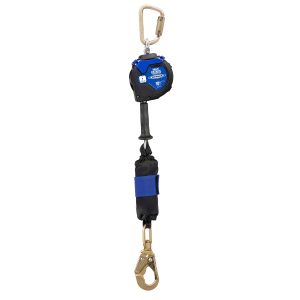
Leading-edge SRLs are built for the moment a worker tied off at foot level falls over the open side of a deck, slab or beam and the line is dragged across that edge. Nation Wide Ladder helps metal deck, precast and steel crews choose between overhead Class 1 units and foot-level Class 2 leading-edge SRLs, including Bantam web and twin leg units, longer Max Patrol cable units and the anchors and harnesses that go with them.


- Over 50 years serving contractors
- MA, NH, CT, ME, VT & RI
- Weekly Maine deliveries
When Deck and Steel Work Calls for Leading-Edge SRLs
OSHA defines a leading edge as the edge of a floor, roof or formwork that changes location as new decking, roof or form sections are placed. Anyone building one 6 feet or more above a lower level needs guardrails, safety nets or a personal fall arrest system, and on an open deck with nothing overhead, the arrest system usually ends up anchored near the worker’s feet.
That anchor position creates two problems ordinary retractables are not designed for. In a fall the line runs over the deck edge and takes the load across it, whether that edge is a precast slab, a steel beam flange or the corrugated sheet of a metal deck, and the worker drops further before the unit locks because the anchor sits at or under the D-ring. Werner’s fall protection FAQ states that only SRLs and shock-absorbing lanyards tested over an edge and marked for it may be used in leading-edge applications. Metal deck installers, precast erectors, concrete form crews and ironworkers walking steel are the usual buyers of Werner leading-edge SRLs, and Werner applies the same rule to shock-absorbing lanyards.
We help you select between leading-edge SRLs and overhead units once we know where the anchors will sit on your deck.
Class 2 Ratings and Edge Testing Behind Leading-Edge SRLs
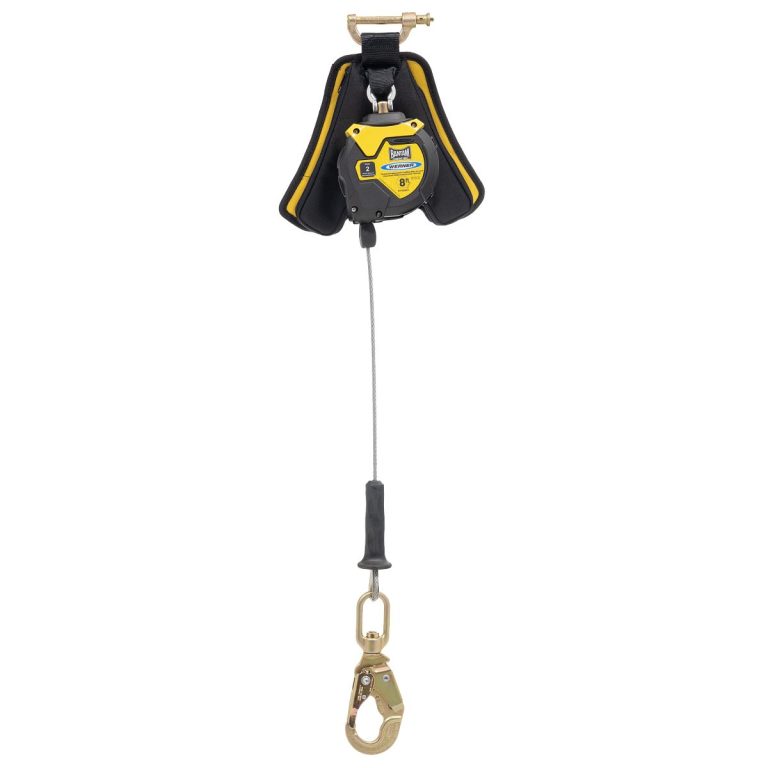
ANSI Z359.14-2021 sorts self-retracting devices into two classes. A Class 1 unit is tested overhead with a 310 pound weight and must arrest the fall within 42 inches. A Class 2 unit must also meet Class 1 and is tested at foot level with a 310 pound weight, holding the average arrest force under 1,350 pounds, and its arrest distance is printed on the label and in the instructions. Werner colors Class 1 housings blue and Class 2 housings yellow, so a crew can pick out leading-edge SRLs at a glance. A crew that ties off both overhead and at foot level on the same job can carry only leading-edge units, since every Class 2 device has passed the overhead tests too, and that removes the chance of a worker grabbing the wrong retractable for leading-edge tie-off.
The edge is the other test. Werner notes that the 2014 edition of the standard ran its drop tests over sharp structural steel, which left concrete, stone and steel decking outside its scope, so Werner tests and approves its leading-edge SRLs over steel beam, precast concrete and B-deck. OSHA requires lifelines to be protected against cutting or abrasion, and an edge-tested line is built with that hazard in mind.
Our showrooms in Windham NH and Worcester MA offer free consultations where you can see yellow Class 2 housings beside the blue overhead units.
Choosing Bantam and Max Patrol Leading-Edge SRLs for a Crew
Werner builds its short leading-edge SRLs on the Bantam platform. The R430006LE carries 6 feet of a Kevlar and UHMWPE webbing blend in a thermoplastic housing, with a compact backpack style energy absorber and a steel harness web connector, and attached overhead it holds the maximum arrest distance to 24 inches. For crews spread along a bay, Werner introduced its Max Patrol leading-edge line in 20, 30 and 65 foot versions approved over steel beam, precast concrete and B-deck.
Every unit needs a sound anchor. OSHA calls for anchorage that supports 5,000 pounds per attached worker, or a system designed by a qualified person with a safety factor of at least two, and our fall protection anchors cover roof, beam and post tie-off. Inspect each unit before use, and take it out of service if it has arrested a fall or its load indicator shows. OSHA also requires prompt rescue, so agree how a suspended worker will be reached before leading-edge work starts, and keep the leading-edge rescue plan with the crew rather than in the office.
We run regular weekly deliveries from New Hampshire to Maine, so leading-edge SRLs for a Maine deck crew travel on a set route.
Leading-Edge SRLs Alongside Harnesses, Lifts and Ladders
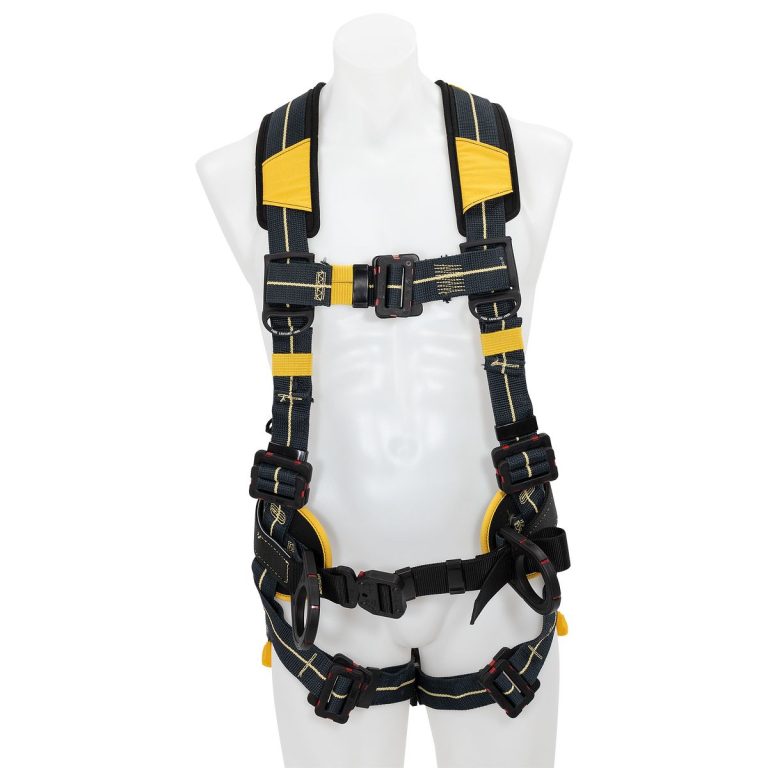
Edge-rated retractables are one part of a deck crew’s kit. A construction harness with the right D-rings, a ladder or lift to reach the deck and secure storage on the truck all belong in the plan, often from different makers.
Each manufacturer we carry for that access gear sits in our ladder and truck equipment brands hub, ready for you to compare.
Order Leading-Edge SRLs Matched to Your Deck
Our own trucks deliver door to door across New England, and we choose leading-edge SRLs with you by anchor position, edge type and crew size so the units that arrive suit the deck you are building. Tell us whether the leading-edge work runs over steel, precast or B-deck and how many workers tie off at once, and we will match leading-edge SRLs and anchors to that layout.
Leading-edge SRLs FAQs
What makes leading-edge SRLs different from standard SRLs?
They are Class 2 devices, tested at foot level as well as overhead, and Werner also tests them over an edge. Werner marks them with a yellow housing.
Can a Class 1 SRL be anchored at my feet?
No. Werner describes Class 1 as anchorage above the back D-ring. Anchorage at or under the D-ring calls for a Class 2 unit.
What edges are Werner leading-edge SRLs tested over?
Werner tests and approves them over steel beam, precast concrete and B-deck.
What arrest distance do leading-edge SRLs have?
Werner lists 24 inches for the R430006LE attached overhead. At foot level, use the arrest distance printed on the label and in the instructions.
Are SRLs made to the 2014 standard still usable?
Werner says 2014 units remain compliant while they pass inspection and have not reached the end of their service life.
Can a shock-absorbing lanyard be used at a leading edge?
Only if it has been tested over an edge and is marked for leading-edge use, according to Werner.
Need help choosing the right ladder or truck equipment?
Talk to the team or send us your list and we will put a quote together.