Resources
Fall Protection Inspection and Replacement, From Pre-Use Checks and Yearly Reviews to Retirement Triggers and More
Pre-use and yearly checks, who counts as a competent person, built-in wear and impact indicators, when an SRL, lanyard or harness must come out of service, and cleaning and storage.
Fall protection inspection is what keeps a harness, lanyard or self-retracting lifeline fit to catch a fall, and skipped checks are how worn webbing or a tripped indicator reaches the roof. Nation Wide Ladder helps crews set up pre-use checks, yearly competent-person reviews and replacement for Werner harnesses, shock-absorbing lanyards, SRLs and anchors, using the indicators Werner builds into each one.


- Over 50 years serving contractors
- MA, NH, CT, ME, VT & RI
- Weekly Maine deliveries
Pre-Use Fall Protection Inspection Before Every Shift
OSHA requires personal fall arrest systems to be inspected prior to each use for wear, damage and other deterioration, with defective components removed from service, and the general industry rule adds mildew to the list before initial use in each workshift. Werner agrees, calling for every fall protection component to be checked before each use. For a harness, Werner recommends walking it down before each use, so the wearer understands its fit, its design and how it will perform in a fall.
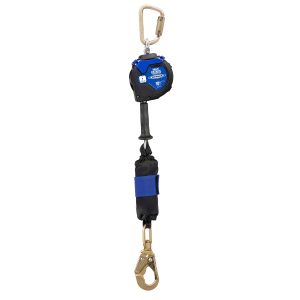
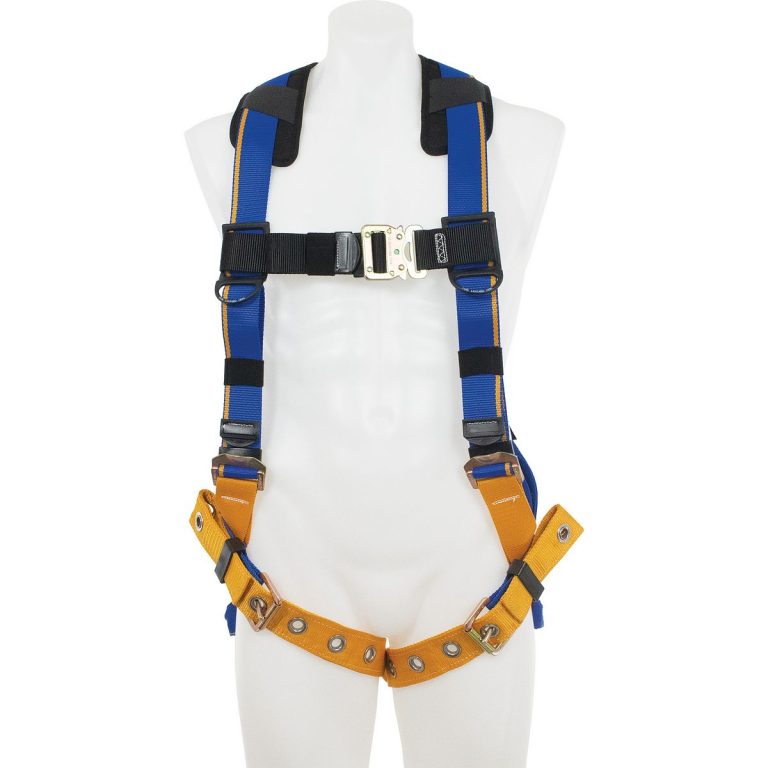
A pre-use check runs from end to end. Look over the webbing and stitching, the D-rings and buckles, the snap hooks and their keepers, and any shock pack or SRL housing. Werner’s Blue Armor harnesses and its Max Patrol SRLs use WebAlert, a brightly colored inner webbing that shows when the product is damaged, and Blue Armor adds impact indicators, which belong on the checklist beside the webbing itself. Werner’s Hi-Viz harnesses carry load indicators, and its DeCoil lanyards use wear indicating polyester webbing.
Our team helps you select gear with the built-in indicators that make a daily fall protection inspection quicker for your crew.
Yearly Fall Protection Inspection by a Competent Person
The daily look is done by the wearer. Werner adds a second layer, a review at least once a year by a competent person as OSHA defines one, who must be someone other than the user. That yearly fall protection inspection is a chance to look at the whole kit with fresh eyes and to record what was checked, when and by whom. A simple log for each harness, lanyard and SRL, kept with the crew’s fall protection, shows the competent person what has changed since the last review and when each item entered service.
Werner is clear on two points that often confuse crews. It does not mandate a 5 year service life for its fall protection products, so age alone is not the trigger, and its SRLs do not need annual recertification, although they still need the inspections. Older SRLs built to the 2014 edition of ANSI Z359.14 remain compliant, Werner says, while they pass inspection and have not reached the end of their service life. Keep the labels legible, since Werner suggests marking the label itself where it can be read, or using a fabric marker rated for launderable items on the web, and notes that permanent markers are considered harmless to polyester or nylon webbing.
Bring a crew’s gear to a free consultation at our Windham NH or Worcester MA showroom and we will go through a yearly fall protection inspection routine with you.
When Inspection Means Fall Protection Replacement
Some findings retire fall protection on the spot. OSHA requires any part of a personal fall arrest system subjected to impact loading to be removed from service immediately and not used again until a competent person finds it undamaged and suitable for reuse, and Werner says equipment that has arrested a fall should not be used. For an SRL, Werner lists the triggers as having arrested a fall, a revealed load indicator, an inoperable snap hook, worn or kinked webbing or cable, or a unit that fails to engage or release when tested.
Care between checks extends the useful life of fall protection. Werner advises washing with a damp sponge and mild soap, rinsing with clean water, wiping dry and hanging the gear in a shaded, dry area, and never using a washing machine or dryer. Storing gear out of the sun and away from fuel, solvents and sharp tools in the truck protects the webbing between jobs. Fall protection that fails any check should be tagged and stored apart from working gear, so a retired lanyard cannot drift back into a truck or be grabbed in a hurry.
Saturday morning hours at both of our locations let a foreman replace retired gear before the Monday shift.
Fall Protection Gear and the Access That Goes With It
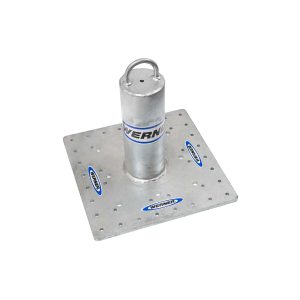
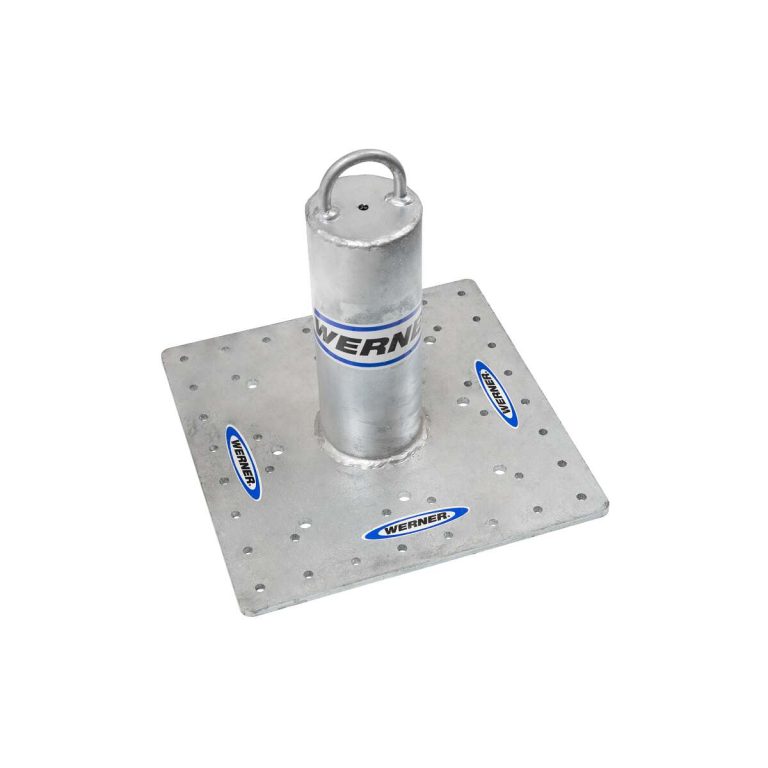
The same habit of checking before use applies to the ladders, staging and anchors that put a worker within reach of a fall. Those items often come from several makers, and a checking routine works best when it covers the whole fall protection setup, including the fall protection anchors each worker ties to.
To review the makers behind that access gear in one place, visit our ladder and truck equipment brands hub.
Keep Fall Protection Inspection on Schedule
Send us a list of the gear due for replacement, or call 603-434-6911 in NH or 508-754-3030 in MA, and we will quote replacements from the Werner harnesses, lanyards and self-retracting lifelines ranges, so every fall protection inspection ends with gear that is ready to use.
Fall Protection Inspection FAQs
How often is fall protection inspection required?
OSHA requires a check before each use. Werner adds an inspection at least once a year by a competent person other than the user.
Does fall protection gear expire after 5 years?
Werner does not mandate a 5 year service life. Its gear is retired on condition, after a fall or when an inspection finds damage.
Do Werner SRLs need annual recertification?
No, but they need the pre-use checks and the yearly competent-person inspection.
When must an SRL come out of service?
Werner lists arresting a fall, a revealed load indicator, an inoperable snap hook, worn or kinked webbing or cable, or failing to engage or release when tested.
Can I machine wash a harness?
No. Werner says to wash with a damp sponge and mild soap, rinse, wipe dry and hang in a shaded, dry area.
What happens to gear after it arrests a fall?
OSHA requires it to come out of service until a competent person finds it undamaged, and Werner says equipment that has arrested a fall should not be used.
Need help choosing the right ladder or truck equipment?
Talk to the team or send us your list and we will put a quote together.