
Resources
Ladder Inspection Checklist for Rails, Rungs, Feet, Locks, Ropes, Spreaders, Labels and More
Pre-use checks for step, extension and single ladders, what OSHA asks of a competent person, damage signs in aluminum and fiberglass, and when a ladder is tagged out rather than repaired.
A ladder inspection before each use is what Werner, Louisville and Cal/OSHA all ask for, and the challenge on a busy site is keeping it quick enough that the crew actually does it. Nation Wide Ladder supplies the replacement parts and new ladders that keep a fleet passing, and a thorough inspection takes in rails, rungs and feet, extension locks and ropes, step ladder spreaders, aluminum and fiberglass damage, labels and accessories, then the tag-out rules that follow a failed check.

- Over 50 years serving contractors
- MA, NH, CT, ME, VT & RI
- Weekly Maine deliveries
What a Pre-Use Ladder Inspection Checks on Step, Extension and Single Models
Werner asks for ladders to be inspected for damage before every use, and its checklist runs through rails, rungs, hardware, feet and spreaders. Louisville’s list of what to look for is close to the same, naming bent, cracked or missing rungs, worn or damaged non-slip feet, loose or broken bolts, rivets and hinges, cracks or splits in the side rails, and locking mechanisms that no longer work. Both Werner and Louisville say a damaged ladder should not be used.
Cal/OSHA fills in the details a quick glance misses. Rungs and steps must be tight to the rails, hardware and fittings securely attached, and moving parts should work without binding or too much free play. Labels need to be intact and readable, the ladder free of oil and grease, and the feet fitted with slip-resistant material. Accessories such as leg levelers, paint shelves and standoffs belong in the ladder inspection too, and Cal/OSHA says a ladder exposed to fire or strong chemicals should be discarded.
With over 50 years of supplying contractors, we can match each item on a ladder inspection list to the replacement part or new ladder that resolves it.
Ladder Inspection Points for Extension Locks, Step Spreaders and Rail Materials
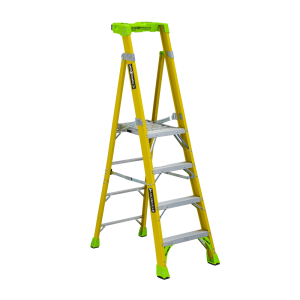
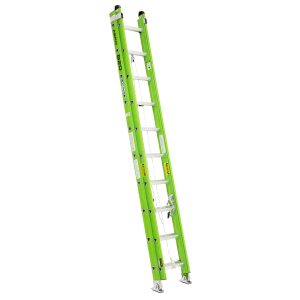
Extension ladders add moving parts. Cal/OSHA asks for ropes and pulleys in good condition, rung locks that move freely and lock correctly, guide brackets that are secure and in place, and stops that keep the sections overlapping, with rung locks on the rails of the top section so it cannot fall. Step ladders need front legs of equal length, rear legs of equal length and spreaders that are intact and lock open, a part OSHA requires on each stepladder. The series in our Werner step ladders range all share those spreader checks at each inspection.
Rail material changes what damage looks like. On aluminum, Cal/OSHA lists loose rungs, bolts and screws, dented rungs or rails, sharp edges and burrs, corrosion and bends, and a metal ladder should carry a caution label against use around electrical equipment. On fiberglass, look for cracks, chips and splinters, and for rails or rungs deformed by heat, chemicals or the weather. Cal/OSHA advises storing fiberglass away from sunlight, and Werner points owners of Werner fiberglass extension ladders to its Fiberglass Ladder Technical Manual for UV and weather resistance.
Bring a worn lock, shoe or spreader to our Windham or Worcester showroom for a free in-person consultation, and our team will help identify its replacement.
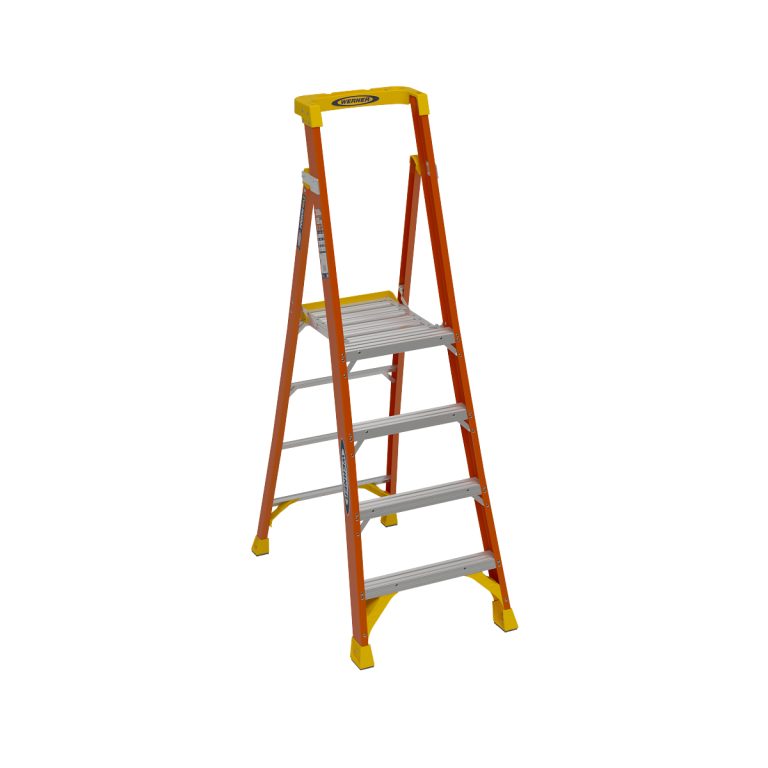
After a Failed Ladder Inspection, Tag-Out Rules, Repair Limits and Parts
OSHA is specific about what happens next. A portable ladder with structural defects, such as broken or missing rungs, broken or split rails or corroded components, must be marked as defective or tagged Do Not Use and withdrawn from service, and any repair has to restore it to its original design criteria. OSHA also expects a competent person to inspect ladders periodically and after any event that could affect safe use, while 1926.1060 asks employers to have a competent person train each worker in the use, placement and care of ladders.
The makers keep repairs narrow. Werner does not recommend repairing a damaged ladder and offers no repair service, but it sells labels, foot assemblies, ropes, rope pulleys, locks and lock flippers for extension ladders, and labels, feet and spreaders for step ladders, with no replacement sections. Louisville sells rung lock, safety shoe and label kits through its accessories and local distributors, and does not recommend repairs beyond them. Our Werner ladder parts and Louisville ladder accessories ranges list those wear items, so a frayed rope or worn shoe means a part while a cracked or bent rail means a new ladder.
Send us the model number from the label of each ladder that failed, and we will quote the replacement kits and new ladders together on one list.
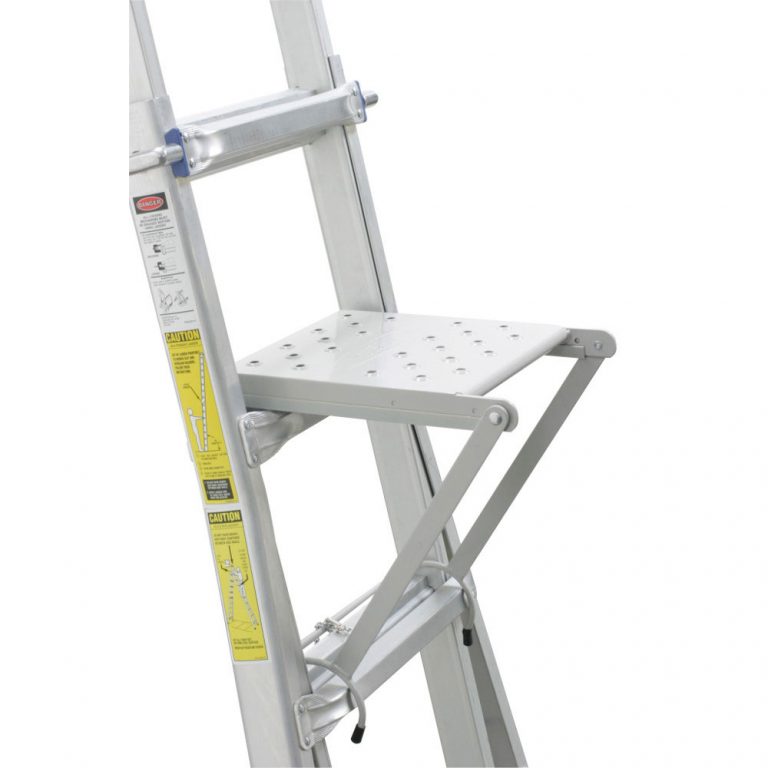
Inspection Habits for Ladder Racks, Jacks and Harnesses
The inspection habit carries over to the gear around the ladder. OSHA requires a competent person to inspect scaffolds, ladder jack staging included, for visible defects before each work shift, and a rack’s clamps and bracket hardware deserve the same look before a trip. Cal/OSHA notes that vibration and bumping in transit can damage ladders, so a rack that holds them firmly is part of keeping them in passing condition.
For racks, staging and fall protection from other makers, take a look through our ladder and truck equipment brands hub.
Replacement Ladders After a Ladder Inspection
A short, repeatable ladder inspection keeps sound ladders working and takes damaged ones out of service before they fail on a climb. When one does fail, our own trucks deliver replacements door to door across Connecticut, Rhode Island, Massachusetts, New Hampshire, Vermont and Maine.
Ladder Inspection FAQs
How often should a ladder inspection be done?
Werner and Cal/OSHA ask for one before each use, and OSHA 1926.1053 adds periodic inspection by a competent person and a check after any event that could affect safe use.
What does a ladder inspection check on an extension ladder?
Rails, rungs, feet and hardware, plus ropes and pulleys, rung locks that move freely and lock, secure guide brackets and the stops that keep the sections overlapping.
What happens to a ladder that fails inspection?
OSHA requires it to be marked as defective or tagged Do Not Use and withdrawn from service until it is repaired to its original design criteria.
Can Werner or Louisville ladders be repaired after damage?
Neither maker recommends repairing a damaged ladder. Both sell replacement kits for wear parts such as feet, locks and labels.
What fiberglass damage should a ladder inspection look for?
Cracks, chips and splinters, and rails or rungs deformed by heat, chemicals or environmental exposure.
Are accessories part of a ladder inspection?
Yes. Cal/OSHA lists leg levelers, paint shelves and stand-off accessories among the items to check before use.
Need help choosing the right ladder or truck equipment?
Talk to the team or send us your list and we will put a quote together.