Resources
Hard Hat Types and Classes, Type I Top Impact, Type II Lateral Protection, Class G, E and C Electrical Ratings and More
What ANSI/ISEA Z89.1 tests for each type, the new plus designations in the 2026 edition, the voltage behind each class, what OSHA requires on site, and how to match a helmet to the trade.
Every hard hat built to ANSI/ISEA Z89.1 carries a type for impact and a class for electrical protection, and reading hard hat types and classes correctly is how a crew matches head protection to the job, which Nation Wide Ladder helps with when we quote ERB and Global Glove helmets. We cover Type I and Type II impact protection, the optional Type I+ and Type II+ designations, Class G, E and C electrical ratings, OSHA's head protection rules and how cap style and climbing style helmets fit different trades.


- Over 50 years serving contractors
- MA, NH, CT, ME, VT & RI
- Weekly Maine deliveries
Hard Hat Types I and II, Top Impact Against Lateral Protection
The type on a hard hat says where it protects against impact. According to the International Safety Equipment Association (ISEA), which publishes ANSI/ISEA Z89.1, a Type I hard hat is tested for impact force transmitted at the crown and for penetration at the crown. A Type II hard hat meets those Type I requirements and is also tested for impact energy attenuation and off-center penetration, which is why it is described as top and lateral protection. Neither of the two types says anything about electrical protection, which is the job of the class. Chin strap retention requirements apply to a Type II hard hat when a chin strap is supplied.
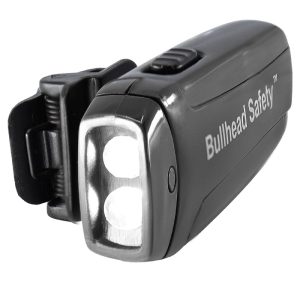
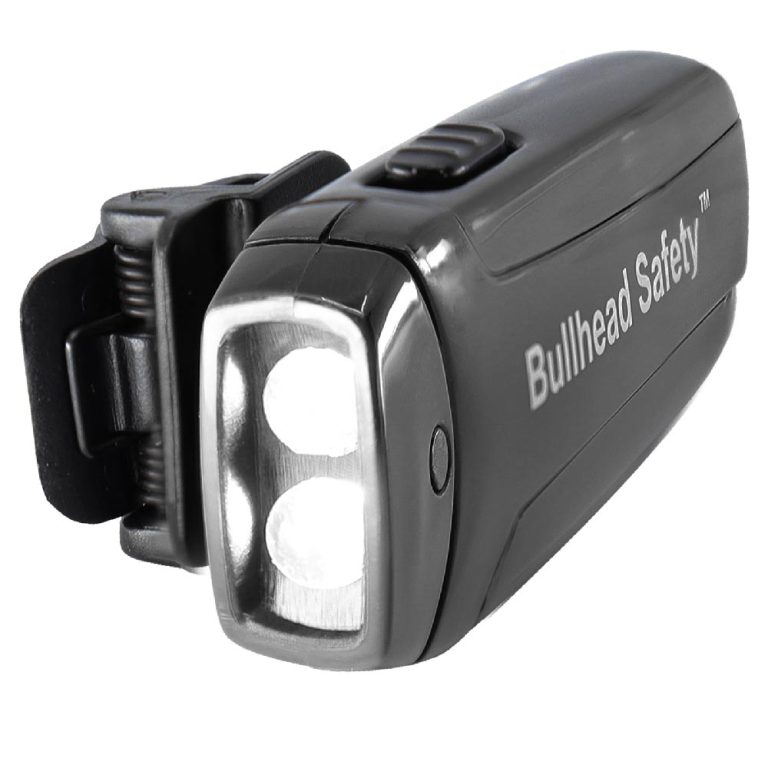
The 2026 edition of Z89.1 keeps both types and both sets of classes, and adds optional Type I+ and Type II+ designations for helmets tested beyond the base requirements. Both plus types require a chin strap and add chin strap retention and retention system testing, and Type I+ also adds off-center force testing at the front, rear and side. Among the hard hats we list, distributor listings place the ERB Omega II cap in Type I, while Global Glove rates its Bullhead HH-CH2-CB climbing style helmet as Type 2 to the 2014 and 2024 editions. Our Global Glove safety helmets page covers that model.
Our team helps you select between the two types for each crew member by asking where the blows on your site are likely to come from.
Hard Hat Classes G, E and C for Electrical Exposure
The class on a hard hat describes electrical protection, separate from the impact types, and the three classes differ widely. ISEA lists Class G, for general, as tested at 2,200 volts, Class E, for electrical, as tested to withstand 20,000 volts, and Class C, for conductive, as offering no electrical protection. A Class C helmet may have vents for airflow, which is one reason the vented HH-CH2-CB is Class C and suits jobs without electrical exposure. Classes and types are marked separately inside the shell.
OSHA ties the class to the hazard. Its construction rule, 29 CFR 1926.100, requires helmets wherever there is a possible danger of head injury from impact, falling or flying objects or electrical shock and burns, and requires head protection for anyone exposed to high-voltage shock and burns to meet the electrical insulation section of Z89.1. The general industry rule, 1910.135, calls for a helmet designed to reduce electrical shock hazard near exposed conductors that could contact the head. Some distributor listings for the ERB Omega II hard hats print Class C, E and G together, so read the class marked inside the shell before relying on it near energized lines.
Call 603-434-6911 in New Hampshire or 508-754-3030 in Massachusetts with the hard hat classes your site plan names, and we will quote helmets marked to it.
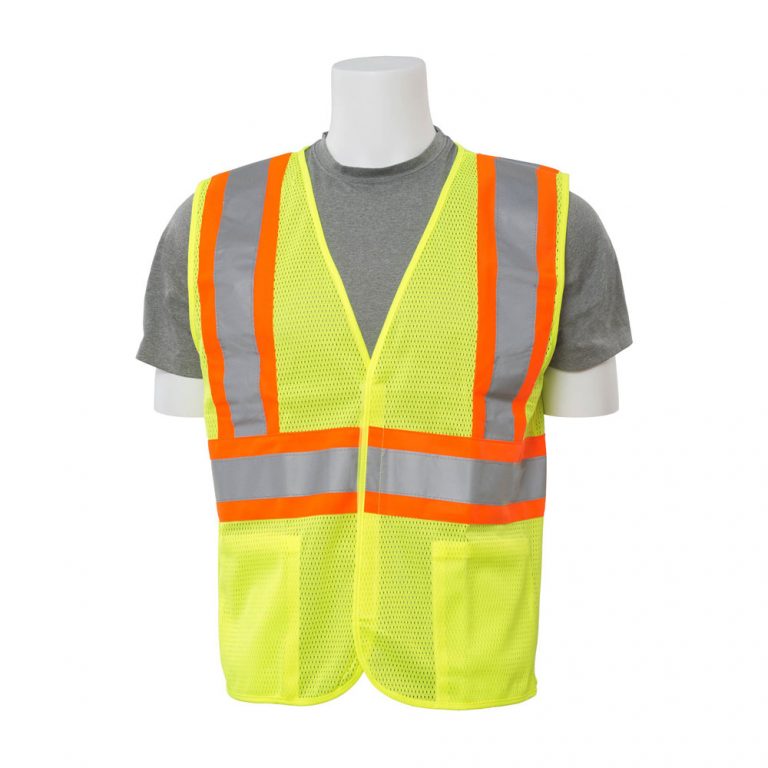
Matching Hard Hat Types and Classes to Each Trade on Site
Start with hard hat types, which follow how the wearer moves. A roofer looking up a slope, an installer tipping back under a soffit or anyone climbing a ladder or working from a lift moves the head in every direction, so a Type II climbing style helmet with a chin strap stays on where a cap style hard hat can shift or fall. Global Glove pairs its Type 2 shell with a ratchet suspension, a four point chin strap and accessory slots for a face shield bracket, cap mounted earmuffs and a clip-on light, which our helmet accessories page lists.
Then match hard hat classes to the electrical hazard, choosing Class E for work near energized lines and never Class C. Framers and general site crews working at ground level often wear a Type I cap style hard hat such as the ERB Omega II, which has a 6-point slide-lock suspension for head sizes 6.5 to 8 and accepts a 2-point chin strap. OSHA shipyard guidance adds that helmets and suspensions should be inspected daily and replaced promptly once damaged.
Free in-person consultations at our Windham, NH and Worcester, MA showrooms let each crew member try a cap style and a climbing style helmet before you order.
Hard Hat Choices Within a Work-at-Height Kit
Hard hat types are chosen around what the wearer climbs, so the helmet decision usually sits beside ladders, staging and a Werner harness for work at height. The wider Global Glove safety gear range adds gloves and knee pads to the same kit.
If you are also choosing the ladders and access equipment that helmet will go up, our ladder and truck equipment brands hub lists the makers we carry.
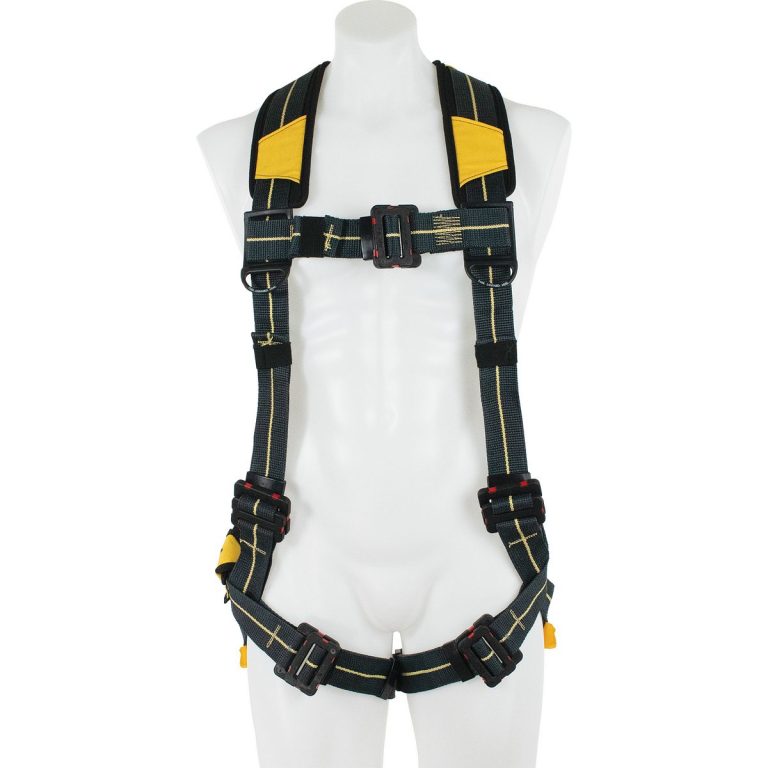
Hard Hat Types and Classes Quoted for Your Crew
Nation Wide Ladder has outfitted New England contractors for over 50 years, and we quote helmets by the hard hat types and classes your site plan calls for, with the chin straps, shields and earmuffs that fit each shell.
Hard Hat Types and Classes FAQs
What is the difference between Type I and Type II hard hat types?
ISEA describes Type I as tested for impact and penetration at the crown, and Type II as meeting Type I plus tests for impact energy attenuation and off-center penetration, giving top and lateral protection.
What do hard hat classes G, E and C mean?
ISEA lists Class G as tested at 2,200 volts, Class E as tested to withstand 20,000 volts and Class C as offering no electrical protection.
What are Type I+ and Type II+ hard hat types?
Optional designations added in ANSI/ISEA Z89.1-2026 for helmets tested beyond the base requirements, including a required chin strap and retention testing.
Which hard hat class suits electrical work?
Class E, tested to withstand 20,000 volts. OSHA requires head protection for anyone exposed to high-voltage shock and burns to meet the electrical insulation section of Z89.1.
Can a vented hard hat be Class E?
Vented helmets are Class C, which offers no electrical protection, so for electrical exposure choose an unvented Class E or Class G helmet.
Which hard hat types suit roofers and climbers?
A Type II climbing style helmet with a chin strap, since Type II is tested for lateral impact. The 2026 Type II+ designation adds chin strap retention testing.
Where are the hard hat types and classes marked?
On the label inside the shell. Read it there rather than relying on a listing, since some listings print several classes for one model.
Need help choosing the right ladder or truck equipment?
Talk to the team or send us your list and we will put a quote together.